- Fits existing rail gauge and power supply
- Adapts to mountainous or urban landscapes
- Meets local safety and noise limits
- Eases supply chain with familiar parts
- Limited cross border compatibility
- Higher costs to retrofit infrastructure
- Slower adoption of global standards
- Active suspension systems adjust in real time to track conditions, smoothing out bumps and swaying.
- Advanced noise insulation materials block much of the high-frequency sound caused by air friction and track contact.
- Aerodynamic noses and streamlined bodies reduce turbulence, leading to quieter cabins especially at tunnel entries.
- Pressure-sealed cabins prevent abrupt changes in air pressure, avoiding discomfort such as ear pain during tunnel crossings.
- Complex suspension mechanisms require frequent maintenance and can fail under harsh weather, resulting in rough rides.
- Insufficient noise insulation allows persistent rumble and screeching to penetrate, especially near wheels or joints.
- Poor aerodynamics create sudden pressure waves at tunnel entrances, causing discomfort and even minor injuries in rare cases.
- Track gauge mismatch – Spanish and Russian lines require different wheel spacing
- Signaling system incompatibility – French and Japanese trains use distinct protocols
- Power supply differences – Italian lines use 3kV DC, German lines use 15kV AC
- Platform height variance – Some Chinese and European networks set doors at different levels
High-Speed Train Technologies Comparison Worldwide
Several rail systems now operate at speeds above 300 kilometers per hour. French TGV, Japanese Shinkansen, and Chinese Fuxing trains set the standard for steel wheel high speed, while magnetic levitation systems in Shanghai and Japan have broken the 400 kilometer per hour mark during regular service or test runs. Most high speed lines require dedicated tracks with gentle curves and advanced signaling, which limits interoperability between countries and technologies. Unique features like active tilting, distributed traction, and maglev suspension have shaped both the engineering and the passenger experience.
Differences in maximum speed, acceleration, and track requirements drive the development and adoption of these systems. In Western Europe, mixed traffic on older lines limits commercial speeds to between 250 and 320 kilometers per hour, while new lines in China are built for 350 kilometers per hour and above.
No single high speed technology works seamlessly across all borders or track types–each system is bound by infrastructure, safety rules, and local engineering choices.
Why do high-speed trains use different technologies
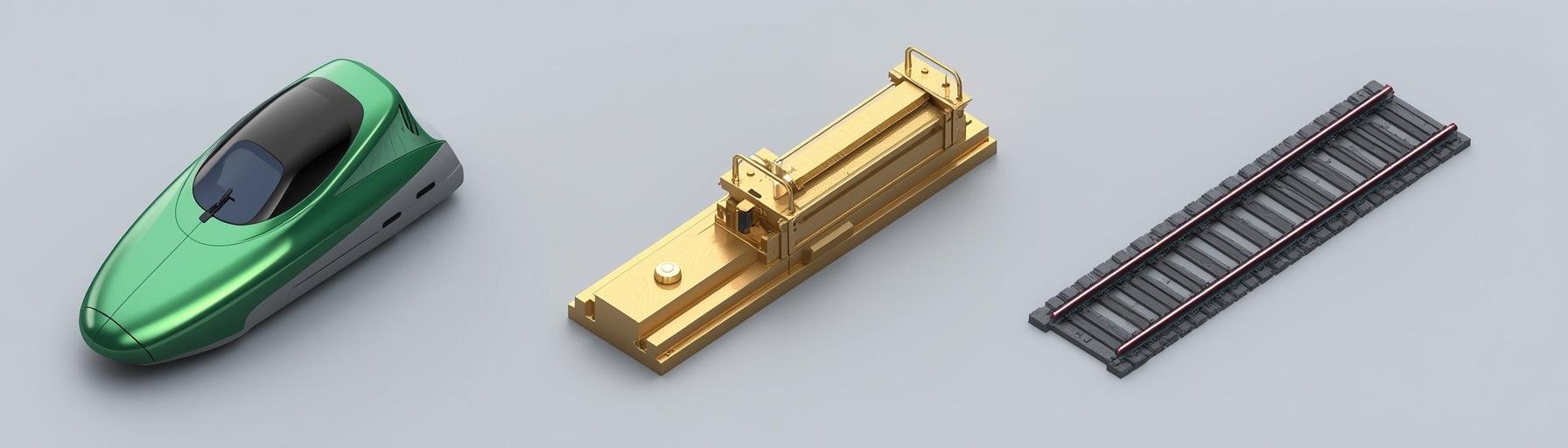
Rail networks in Japan, France, and China rely on different high speed train systems, shaped by existing track width, terrain, and government policy. Mountain tunnels, urban density, and national borders force different engineering choices, even for similar speed targets.
Technical decisions in one country often block easy export of trains to another. A network designed for coastal cities, for instance, cannot easily serve a landlocked region with harsher winters.
What limits the maximum speed achieved
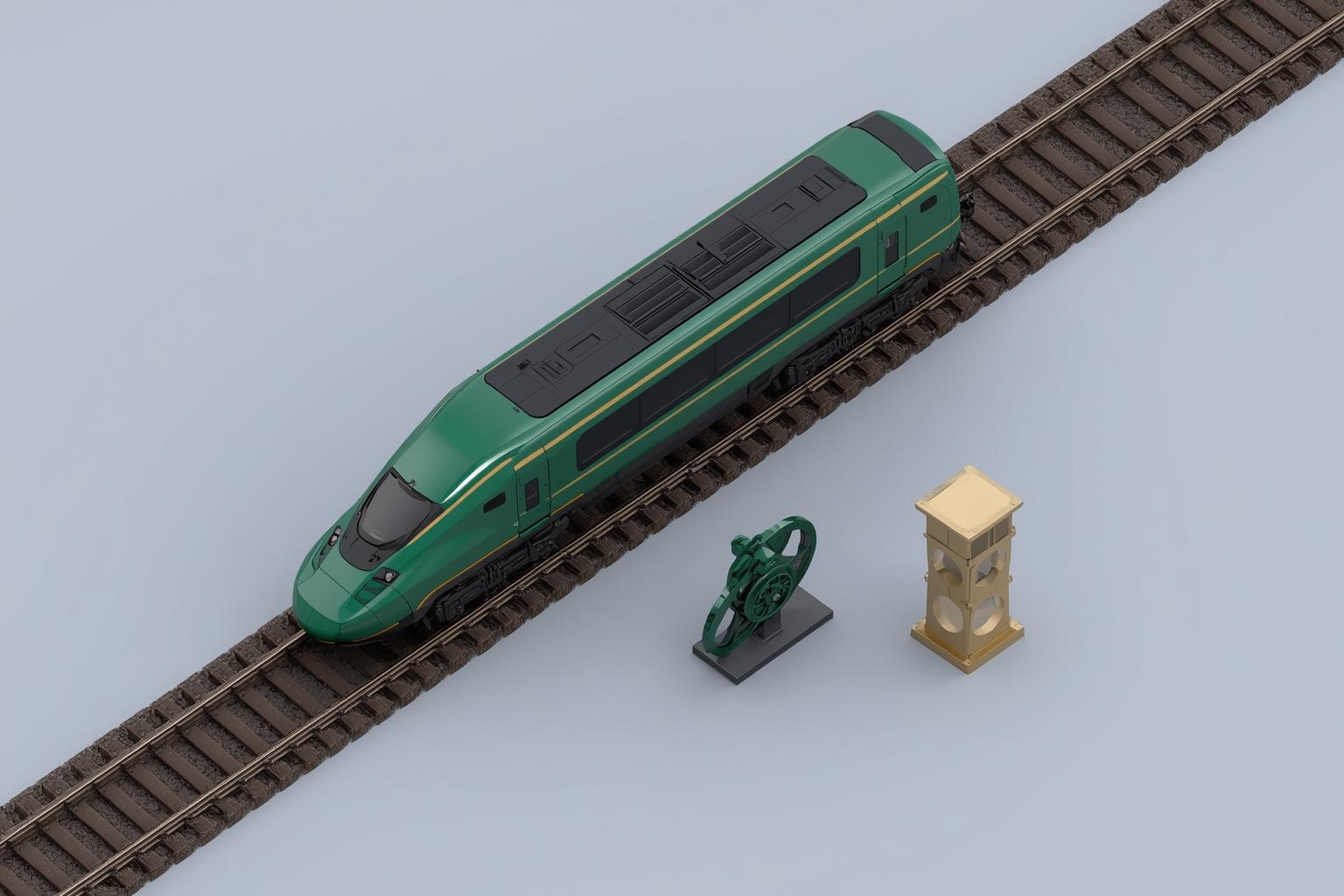
Aerodynamic drag rises sharply once speeds exceed 300 kilometers per hour, forcing designers to rethink train profiles and nose shapes. The extra energy used to overcome air resistance makes further gains expensive, and track design must also absorb more vibration and stress.
| Speed Limit Type | Track Design Limitation | Safety System Constraint | Energy Demand |
|---|---|---|---|
| Japan's Shinkansen (320 km/h) | Gentle curves, concrete slab track, regular seismic upgrades | Advanced automatic train control, earthquake detection | High but optimized with lightweight car bodies |
| France's TGV (up to 320 km/h on lines) | Dedicated straight alignments, reinforced ballast | Signal redundancy, in-cab alerts | Significant at top speed, power substations spaced closely |
| China's Fuxing Hao (350 km/h) | Tighter track tolerances, elevated viaducts common | Multiple backups in signaling and braking | Massive electricity draw, cooling measures for motors |
| Conventional Upgraded Lines (max 200 km/h) | Legacy curves and gradients limit speed | Older signaling, less automation | Increased but within limits of existing grid |
| Proposed Maglev (over 500 km/h) | No rail-wheel contact, guideway precision critical | Complex computer controls, failsafe protocols | Extremely high, cooling and power delivery are major challenges |
Overlooking the combined effect of these limits leads to unsustainable costs or catastrophic failure. Investment in both infrastructure and power systems is what enables record speeds without compromising safety.
How do train designs affect passenger experience
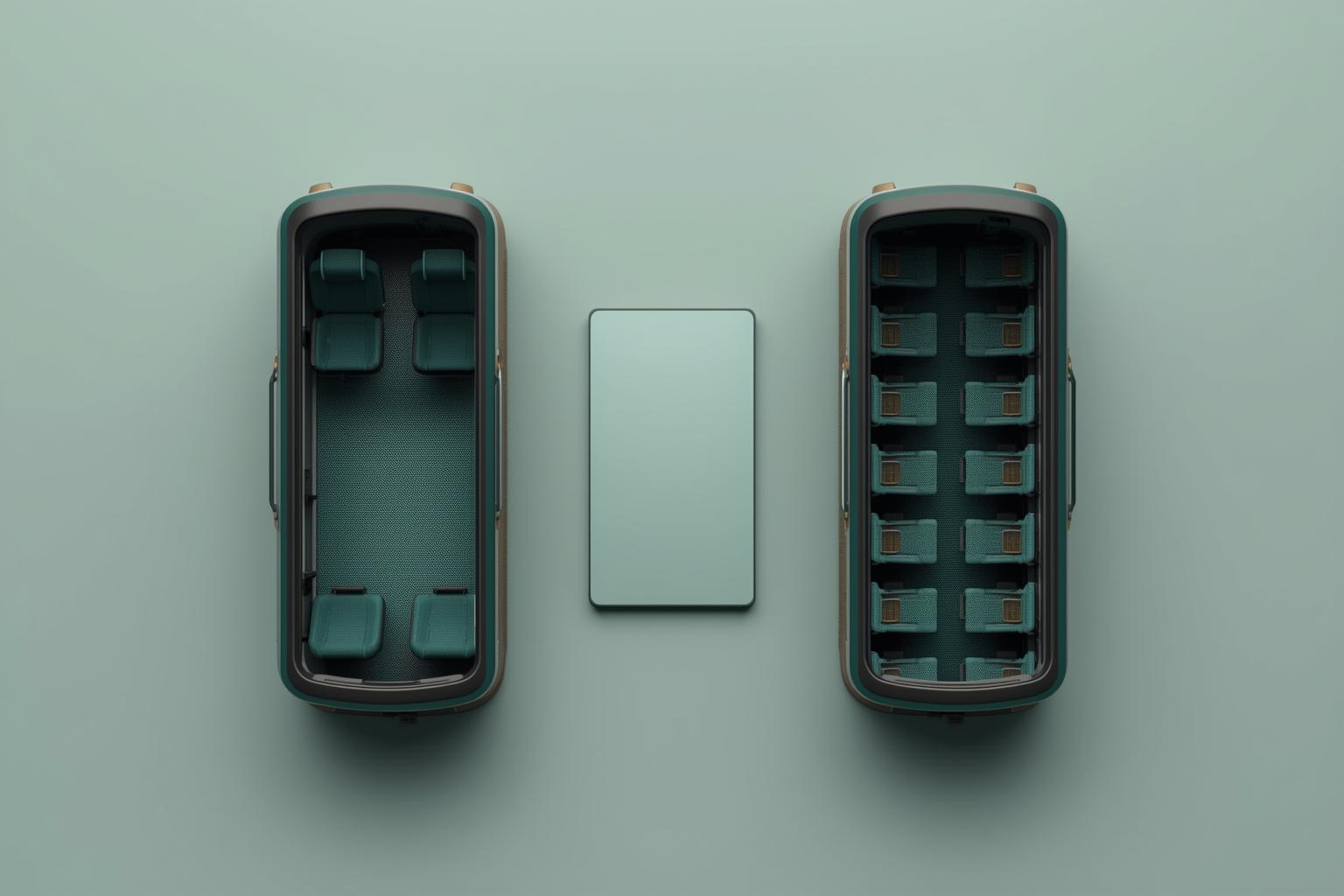
Train manufacturers make choices in cabin layout and suspension that shape comfort for travelers. Seats, window placement, and aisle width can make the difference between a restful ride and a cramped journey. Engineering decisions such as wheel arrangement and vibration dampening lead to quieter cabins and smoother trips, which matter on long routes.
Interior layouts and amenities compared
First class cabins on high-speed trains often feature reclining seats and wider armrests, while standard class packs more seats into the same space. These choices reflect a balance between passenger comfort and total capacity, shaping the travel experience for different budgets.
Japanese Shinkansen models typically use a 2+3 seating layout in standard cars, maximizing seat numbers. European high-speed trains such as the TGV or ICE often opt for 2+2 seating, leaving more space per passenger. This difference becomes most noticeable on longer journeys, where personal space and access to aisles affect fatigue.
Some trains provide individual power outlets, free Wi-Fi, and large tables even in standard class. Others reserve these amenities for premium ticket holders, creating a sharper distinction between classes. The availability of quiet cars, luggage racks, and accessible toilets varies widely between operators and routes, with some models prioritizing accessibility and others maximizing seat count.
Routes longer than three hours reveal the effects of seat spacing and amenities most clearly. Travelers with bulky luggage or mobility needs benefit most from trains with generous storage and step-free access.
Engineering choices and ride quality
Suspension systems on high speed trains are engineered to minimize vibrations and absorb shocks from imperfect track alignment. Trains reaching over 300 kilometers per hour rely on these systems to maintain stability, while aerodynamic shaping and noise insulation aim to reduce both physical discomfort and fatigue during long journeys.
Trains with active suspension and thorough noise insulation deliver a level of comfort rivaling business jets, while older models with basic systems subject passengers to jolts and steady noise. The difference comes down to consistent investment in both mechanical and acoustic engineering, not just headline speed.
Differences in train design often become most obvious in how quiet, stable, and comfortable the trip feels. Travelers notice these effects most during long distance journeys and crowded periods.
Which technologies are not interoperable
Technical barriers stop some bullet trains from running on foreign networks. This leads to costly delays and wasted capacity when rolling stock must be changed at borders. The main causes of these obstacles are:
These mismatches create bottlenecks at international borders, especially on mixed freight and passenger routes. Operators often need to maintain separate fleets or invest in adaptable trainsets to manage the problem.